
Understanding Your Pet’s Emotions from Their Point of View
Most pet parents know “the look.”
The lowered head. The tucked tail. The sad-looking eyes.
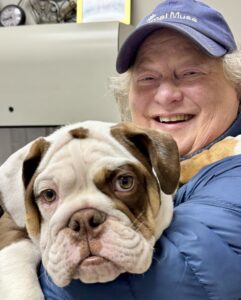
The dog crouches down after you discover your best shoes chewed up. The cat hides under the bed after you find a “present” was left on your favorite rug.
It’s easy to think, “They know they did something wrong.”
But do they?
Pets, like us, feel a variety of emotions, including fear, anxiety, sadness, joy, and love. Much of how they feel and react is shaped by what’s happening in their world, from the energy in their homes to our tone of voice and body language.
Feeling guilty, though, is very human.
Guilt is the uncomfortable feeling we get when we believe we’ve done something wrong.
That’s why it’s worth pausing before assuming your pet feels guilt.
For example, if you come home and find your dog cowering near a chewed shoe, take a moment to breathe and observe your pet before reacting. Notice their body language, your own mood, and what may have happened just before.
Often, what looks like guilt is your pet sensing your tone, facial expression, body language, or the tension in the room and realizing, “Something is wrong. My person is really upset.”
As an Animal Communicator, my work is to listen to a pet’s feelings, thoughts, and point of view, then translate what I receive into words so their person can understand.
That translation matters because we often make assumptions about how our pets feel.
What we assume is guilt may actually be anxiety, a response to our disappointment, or an attempt to communicate something to us.
Once we look at the behavior from the pet’s point of view, the “guilty look” starts to make more sense.
Your dog isn’t thinking, “I know it’s wrong to chew my person’s shoe, but I’m going to do it anyway.”
They may be feeling anxious when left alone, and chewing something that smells like their person brings them comfort.
Your cat isn’t feeling guilty for leaving a “present” on the rug. They may be upset by a change in routine, stressed by something in the home, or trying to communicate that they don’t feel well.
In other words, what we think our pet is feeling may be very different from what they are actually experiencing.
What About Jealousy?
The same is true with jealousy.
If you are petting one dog and your other dog pushes in, it may look like jealousy. But your dog may not be thinking, “You love them more than me.”
They may simply be saying, “Hey, that’s my person, and I want their attention too.”
What looks like jealousy may really be about attention or access to something important, like you.
That does not mean your pet is being bad, dramatic, or difficult. It may mean they want to feel included, reassured, or closer to you in that moment.
What If Your Pet Seems Angry?
Your dog snarls at your new puppy. Or your cat swats at you and then walks away.
They might not be angry in the human sense.
They may be overstimulated, uncomfortable, tired, or asking for space.
All animals have their own ways of showing discomfort, stress, worry, or a need for space.
When we assume we already know what our pet is feeling, we can miss what they are actually trying to tell us.
Why This Matters During Change
This is especially important during changes in the home, such as a new pet, a new baby, illness, travel, moving, or a shift in routine.
Pets may not understand every detail, but they feel the change.
They notice when our schedules shift. They notice when our energy changes. They notice when someone new enters the home, or someone they love is missing.
Your pet’s behavior is one way they communicate what they feel, need, or don’t understand.
Where do I fit now?
Is everything okay?
Are you upset with me?
Can you help me feel safe?
Do you understand what I need?
The next time your pet reacts in an emotionally charged way, pause before deciding what their behavior means.
They don’t need blame. They need understanding.
When we understand the pet’s point of view, the whole conversation can change.
What Is Your Pet Really Feeling?
When your pet’s behavior feels confusing, emotional, or out of character, you don’t have to keep guessing.
An Animal Communication session can help you better understand your pet’s feelings, needs, and point of view so that you can respond with greater clarity, compassion, and confidence.